Thinking about selling your La Mesa home and wondering where to start? You want strong offers without weeks of stress or guesswork. With a focused plan and a few targeted updates, you can launch with confidence and attract buyers fast. This guide gives you a simple 8–12 week checklist, local tips, and what to expect so you feel ready. Let’s dive in.
La Mesa market at a glance
Recent market trackers for La Mesa, as of January 2026, show a median sale price around $742,500 and about 35 days on market for typical listings. Exact figures vary by source and change often, so always request a current comparative market analysis before you set pricing. La Mesa remains price sensitive. Homes that are well prepared and accurately priced tend to receive faster, stronger offers than those that are not.
Your 8–12 week pre-listing plan
8–12 weeks out: Plan and assess
- Meet your listing agent, review goals, and request a data-backed CMA.
- Decide on a target launch date and budget for prep.
- Schedule pre-listing inspections you need and begin gathering quotes for any repairs.
- Ask about staging, photography, and marketing so you can reserve vendors early.
4–8 weeks out: Repair and refresh
- Complete agreed repairs, starting with safety or permit-required work.
- Paint key rooms in neutral tones and refresh lighting or hardware.
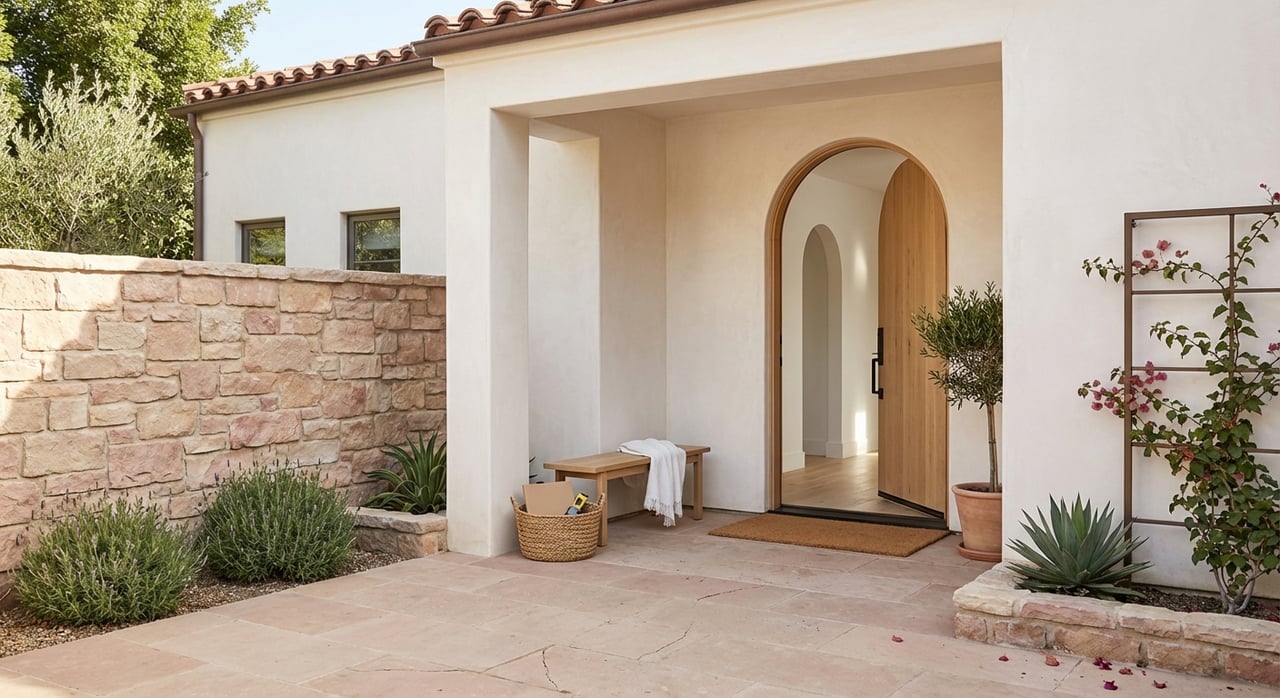
- Improve curb appeal with trimming, mulch, and a front door refresh.
- Plan your declutter timeline and confirm staging dates.
0–2 weeks to launch: Final polish
- Deep clean, move excess items to storage, and finalize staging.
- Install fresh bulbs and test smoke and carbon monoxide devices.
- Schedule professional photography when the home is camera-ready.
- Confirm your day-one pricing and listing launch plan.
Declutter and deep clean
First impressions count. Buyers decide quickly, and clutter makes rooms feel smaller. Clearing surfaces and removing excess furniture helps people imagine living there. Industry guidance emphasizes decluttering and deep cleaning as first steps that lift perceived value and reduce distractions.
To do:
- Remove personal photos and collectibles and store off-site.
- Edit furniture to create open walk paths and emphasize natural light.
- Organize closets and pantries to show clear, usable storage.
- Book a professional deep clean before photos and showings.
High-impact cosmetic updates
Fresh, neutral paint
A clean coat of neutral paint instantly brightens rooms and unifies the look. It also photographs well and helps buyers focus on space and light. Prioritize main living areas, the entry, and the primary bedroom.
Lighting and hardware
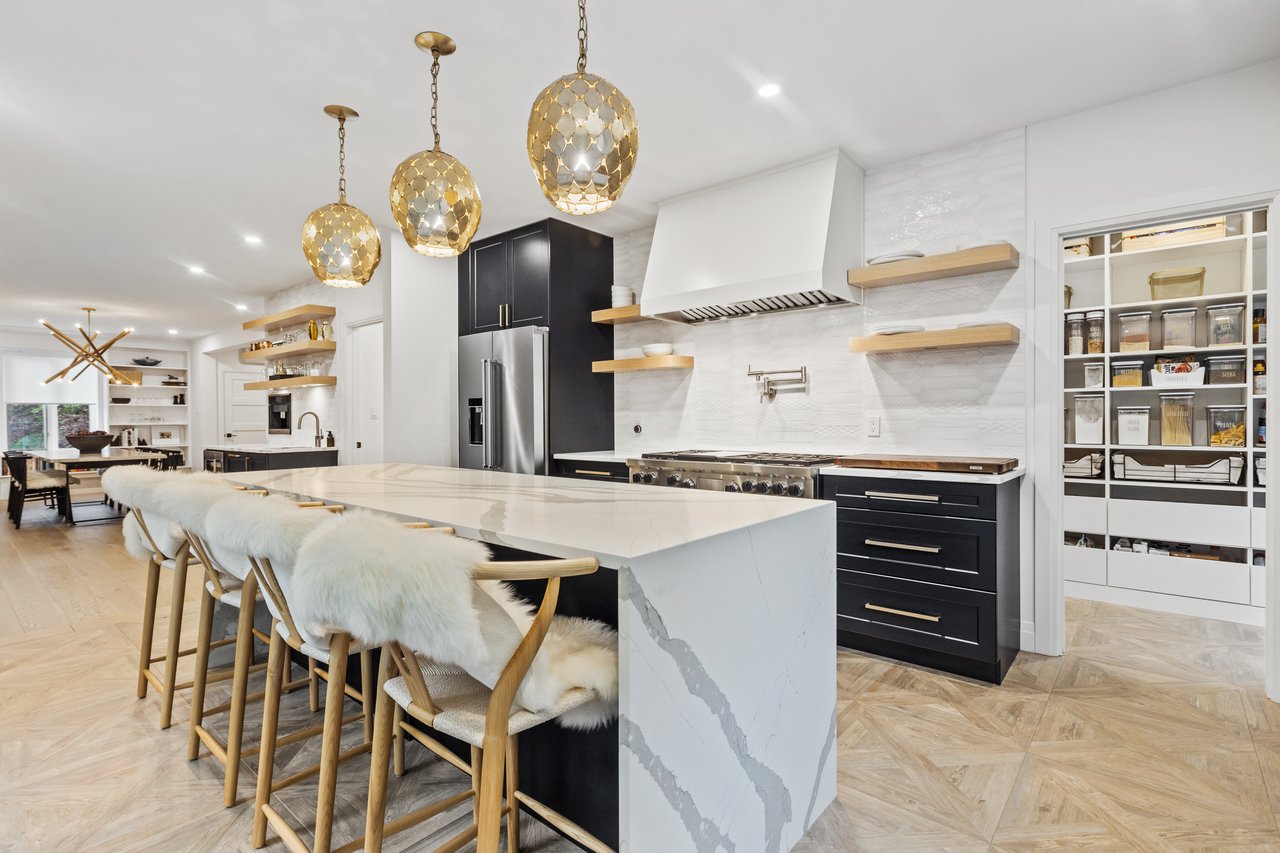
Swap dated light fixtures and cabinet pulls for simple, modern styles. Replace burned-out bulbs with warm LEDs to create an even, inviting glow. These small changes look fresh in photos and in person.
Minor kitchen or bath refresh
Simple updates go a long way in La Mesa’s price-sensitive market. Consider painting worn cabinets, installing a new faucet, or updating a mirror. Many national reports show modest exterior and minor interior projects often perform well on resale, but confirm with your CMA before taking on larger renovations.
Curb appeal for La Mesa
Your exterior sets the tone for showings and online clicks. Focus on simple, fast wins:
- Power wash the entry, walkway, and driveway.
- Paint or polish the front door and update the house numbers.
- Trim hedges, refresh mulch, and add a few healthy potted plants.
La Mesa also encourages water-wise landscaping. If you plan to replace turf or upgrade irrigation, review the city’s rebate options on water conservation and local programs. Drought-tolerant plantings, mulch, and smart controllers can appeal to buyers who value lower maintenance and utility savings.
Systems, safety, and small repairs
Tidy systems reduce buyer objections and last-minute negotiations. In California, sellers must provide prescribed disclosures about property condition, and you will sign compliance statements about items like smoke and carbon monoxide alarms. Review your obligations under the state’s seller disclosure laws, and confirm alarms are installed and working.
Fix easy safety items now: brace the water heater, address slow leaks, and replace cracked outlets or loose handrails. If your project may need a permit, check the City of La Mesa’s guidance for homeowners and contact the Building Division early. See Permits for Homeowners for what typically requires a permit, such as window replacement, re-roofing, or certain electrical and plumbing work.
Consider pre-listing inspections
A seller-paid inspection can surface issues early so you can price and repair with fewer surprises. Many agents note that transparency helps reduce late-stage renegotiation and smooths escrow. For strategy ideas on pricing and preparation, see this overview of how to market your house.
General home inspection
A whole-house inspection covers major systems, roof, visible foundation areas, and safety items. In California, typical ranges often run about $400 to $800, depending on size and scope, with coastal metros trending higher. For cost context, review averages cited for California in HomeInspectionInsider’s guide.
Termite or wood-destroying insect report
Termite inspections are common in San Diego County. Formal reports can identify active infestation and evidence of past damage. Typical California ranges are often around $100 to $400, depending on scope. See a breakdown in this termite inspection cost overview.
Sewer-scope inspection
Older homes or mature trees can mean root intrusion or offsets in sewer lines. A camera inspection often runs roughly $200 to $600 and can prevent costly surprises. Learn what a scope can reveal in this sewer line inspection explainer.
Specialized checks as needed
Consider a roof certification for older roofs or targeted checks for HVAC and pools. Schedule inspections 4 to 8 weeks before listing to allow time for quotes and repairs.
Staging, photos, and online presence
Staging helps buyers see how to live in the space and can shorten days on market. The National Association of Realtors reports that staging often reduces time on market and many agents see higher dollar offers when homes are staged. Review the data in NAR’s home staging report.
You do not need to stage every room. Target high-impact areas like the living room, kitchen, and primary bedroom. Professional photography is non-negotiable. Bright, well-composed images draw more clicks and showings, which is critical on day one.
Pricing for day one
The single most important marketing decision is your list price. Overpricing to “test the market” usually extends days on market and can lead to later price cuts. Align your pricing with current comps, your home’s condition, and the level of preparation you complete. Your agent’s CMA and a clear launch plan set you up for stronger first-week activity.
Disclosures, permits, and what to prepare
California requires the Transfer Disclosure Statement and, where applicable, a Natural Hazard Disclosure. Know your timing and good-faith requirements under Civil Code disclosure rules. As of January 1, 2026, new statewide legislation added certain disclosure items related to electrical systems and any local or state restrictions on replacing gas-powered appliances. Review the bill text for details in California SB 382 and confirm your forms with your agent.
Gather documentation for any permitted work and manuals or service records for major systems. If you plan repairs that might require permits, consult the City early and allow time for inspections and sign-offs.
What to fix, what to skip
- Prioritize safety, water intrusion, roof issues, and obvious system defects.
- Choose low-cost, high-impact items first: paint, lighting, hardware, landscaping, and a front door refresh.
- Consider targeted staging over large renovations unless your CMA supports the investment.
Quick seller checklist
- Get a current CMA and set a target launch date.
- Declutter, deep clean, and plan off-site storage.
- Decide on cosmetic updates and book contractors.
- Order pre-listing inspections where useful and schedule repairs.
- Confirm smoke and carbon monoxide compliance.
- Address permit-required work and gather documentation.
- Improve curb appeal with water-wise touches.
- Arrange staging and professional photography.
- Finalize pricing and launch strategy.
When you prepare with purpose, you invite better first impressions and fewer surprises in escrow. If you would like a calm, step-by-step plan tailored to your property and neighborhood, connect with Tanya Williams to get started.
FAQs
What should I do first if I plan to sell my La Mesa home?
- Start with a current CMA from your listing agent, then map an 8 to 12 week plan that covers decluttering, quick cosmetic updates, and any needed inspections.
Are pre-listing inspections required in California?
- No, they are optional, but many sellers choose a general inspection, termite report, or sewer scope to identify issues early and avoid late-stage renegotiation.
Do I need permits to replace windows or re-roof in La Mesa?
- Often yes. Many electrical, plumbing, mechanical, window, and roofing projects require permits and final inspections, so check with the City’s Building Division before starting work.
How much does staging typically cost?
- Costs vary by scope, from light consultations to furnishing vacant homes for several months. Targeted staging of key rooms keeps budgets lean while improving presentation.
Will drought-tolerant landscaping help my sale?
- Water-wise plants, mulch, and smart irrigation can boost curb appeal and signal lower maintenance, and La Mesa offers rebates that can offset certain upgrade costs.