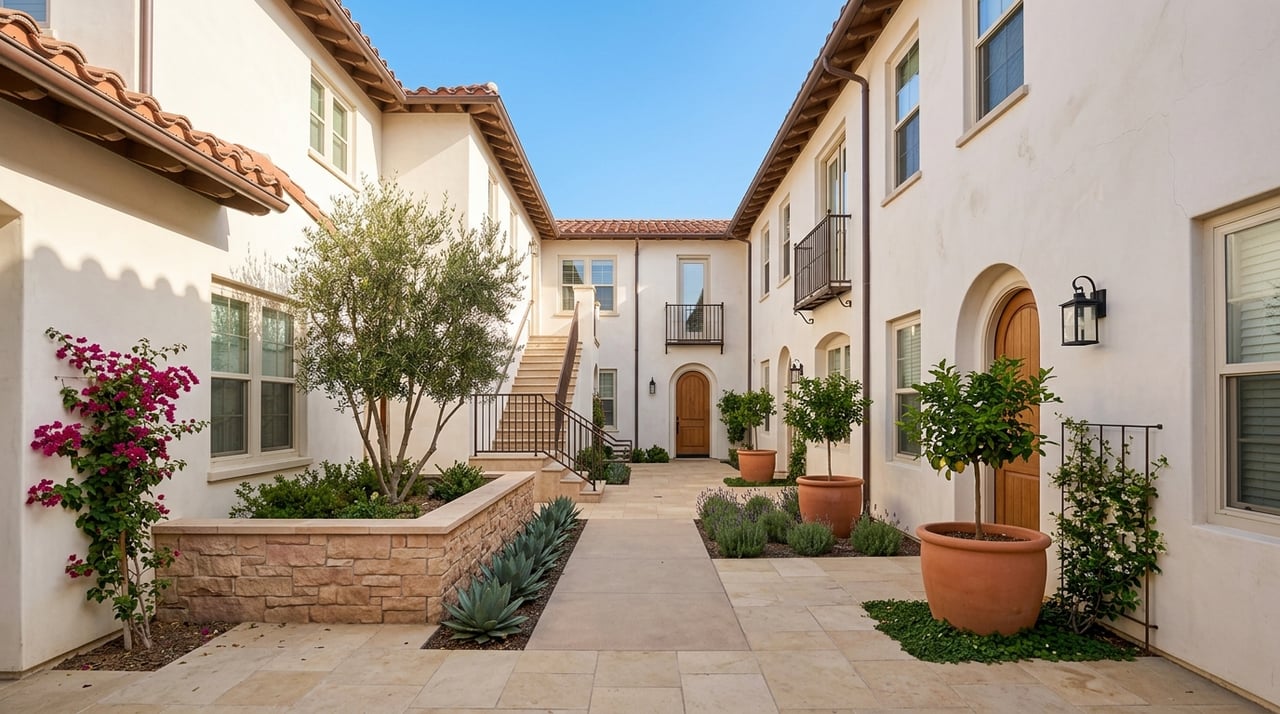
Want La Jolla’s beach lifestyle without full-time yard work? If you are a first-time buyer or downsizing, a condo or townhome can deliver ocean-close living and walkability with lower maintenance. In this guide, you will learn what to expect by property type, how HOAs and insurance work in California, how condo financing differs, and which coastal factors matter most in La Jolla. Let’s dive in.
Why choose a La Jolla condo
La Jolla is one of San Diego’s highest-priced communities. As of early 2026, the median sale price for homes was around 2.4 million, and condos and townhomes are generally priced below single-family houses but still command a premium. For many buyers, the draw is location, walkability to the Village and coastline, and a lock-and-leave lifestyle.
Expect micro-markets by pocket. A Village condo near the Cove can behave differently from a townhome by La Jolla Shores or a hillside unit near Mount Soledad. HOA dues vary widely, from the low hundreds per month in simpler buildings to 1,000 dollars or more in amenity-rich or oceanfront complexes, and these fees should be part of your monthly cost comparison.
Property types you will see
Boutique walk-up condos
You will find many 2 to 4-story buildings in the Village and near the Cove. These often date to the mid-20th century, with stacked units, limited storage and balconies, and a mix of assigned or surface parking. They trade space for location and convenience to shops and dining.
Mid-rise and amenity buildings
Some pockets include 4 to 8-story buildings with elevators, secured garages, and amenities like pools or on-site management. These shared systems typically mean higher HOA dues and more complex insurance needs. In return, you get greater accessibility and services.
Townhomes and PUD-style communities
Townhomes often feel closer to single-family living, with a private entry, attached garage, and small patio. In California, “townhome” describes the layout, not the legal ownership. Some townhomes are condominiums with shared common areas, while others are PUDs where you own a lot plus membership in an association. The legal form affects HOA obligations and insurance, so confirm it early.
Oceanfront and ocean-edge condos
Buildings on or above the bluffs carry premium pricing and added oversight. Expect stricter permitting rules, higher insurance exposure, and potential responsibilities tied to bluff stabilization or seawall history. These factors can influence financing and future costs.
Parking and outdoor space tips
Outdoor space varies by building. Many Village condos have compact balconies, while townhomes more often offer private patios or small yards. If outdoor space is a priority, consider townhomes or upper-end mid-rise units with terraces.
Parking is highly project-specific. In older Village buildings you may see tandem or assigned spaces, or reliance on street and public garages with time limits. If frequent visitors are expected, check guest parking rules and nearby public options such as the Prospect Street area garages, which can help with overflow during busy seasons. Explore local public parking options near Prospect Street to plan for visitor needs using tools like the Prospect Street parking overview.
HOA health and documents to review
How HOAs work in California
Most La Jolla condo and townhome associations are Common Interest Developments governed by California’s Davis-Stirling Act. The HOA manages budgets, reserves, rules, and building maintenance. Your rights and many HOA obligations are set by statute as well as by the project’s governing documents.
Reserves, disclosures, and assessments
Under the Davis-Stirling Act, associations must complete reserve studies and deliver an Assessment and Reserve Funding Disclosure with the annual budget. The “percent funded” figure and any history of special assessments are key health indicators. Review the most recent reserve study and disclosure to understand upcoming component replacements and funding needs. See the statutory disclosure framework in Civil Code Section 5570.
Your HOA packet checklist
Ask for these items before you commit:
- CC&Rs, bylaws, and house rules, especially for rentals, pets, and alterations.
- Current budget, prior year actuals, reserve study, and reserve funding plan.
- Master insurance certificate and summary of coverages.
- Minutes from the last 12 months of board meetings.
- List of any pending litigation, special assessments, and claims history.
- Ownership concentration details if available, including any high investor ownership.
Low reserves, big planned projects, or recent special assessments are high-priority review items.
Safety inspections and insurance
Balcony and elevated-element inspections
California laws require periodic inspections of balconies and other elevated elements in many multi-unit buildings. Ask whether SB 326 and related inspection obligations have been completed and whether any repairs or funding measures are scheduled. Learn more about inspection requirements and typical findings in this SB 326 and balcony inspection overview.
Master policy vs your HO-6 policy
Condo associations carry a master policy for the building and common elements. As a unit owner, you also need an HO-6 policy to cover interior finishes, personal property, and liability. Lenders and secondary market investors review master policy adequacy during project approvals. See Fannie Mae’s master property insurance requirements for context.
Flood zones and RCBAP
If a building lies in a FEMA Special Flood Hazard Area, the HOA often needs a Residential Condominium Building Association Policy, also called RCBAP, to insure the structure. This master flood policy does not replace your individual coverage needs for contents or loss assessment. Review guidance on flood coverage and claims in the state’s condominium flood insurance overview.
Financing your condo or townhome
FHA approvals and single-unit options
If you plan to use an FHA loan, confirm whether the condo project is FHA-approved. If it is not, your lender may be able to pursue a single-unit approval, but that process takes time and is not guaranteed. Start this verification early. Review how approvals work in HUD’s FHA condominium guidance.
Conventional loans and project reviews
Conventional lenders often complete a project review to confirm eligibility for sale to Fannie Mae or Freddie Mac. A project that does not meet criteria can limit financing options to cash or portfolio loans. Lenders use tools such as Fannie Mae’s Condo Project Manager to assess eligibility.
Your financing game plan
Ask the seller or HOA manager about FHA or VA approvals, master insurance limits, reserve studies, and whether any lenders have declined recent loans in the project. Have your loan officer review the project early and include a financing contingency that addresses project eligibility if needed. Clear coordination among you, your lender, and the HOA can prevent escrow issues.
Coastal factors that matter in La Jolla
Coastal overlays and permits
Parts of La Jolla sit in the City’s Coastal Overlay Zone and Sensitive Coastal Bluff areas. Properties close to bluffs or between the first public road and the sea face added permitting steps, including Coastal Development Permits for certain repairs or additions. Review local overlay guidance in the City’s coastal permit and bluff regulation overview.
Erosion, sea level rise, and bluffs
Long-term coastal risks include sea level rise and increased storm intensity, which can affect bluff stability, maintenance obligations, and insurability. If you are considering an ocean-edge unit, ask for geological or bluff-stability studies and any recorded maintenance conditions. For scientific context on coastal erosion trends, see this California coastline erosion analysis.
Buyer checklist: La Jolla condos and townhomes
Use this short list as you compare homes:
- Request the full HOA packet early: CC&Rs/bylaws, rules, budget, prior year actuals, reserve study, insurance certificate, board minutes, and any litigation or special assessments.
- Confirm inspection status: Ask if SB 326 balcony inspections are complete and whether repairs or funding plans are pending.
- Verify insurance: Review the HOA master policy, deductibles, and any flood-zone needs, including whether there is an RCBAP for buildings in mapped flood areas.
- Check parking specifics: Deeded vs assigned, tandem details, EV charging policies, guest parking rules, and nearby public options.
- Validate financing eligibility: FHA/VA approval status, conventional project eligibility, and master insurance adequacy for lender requirements.
- Inspect the unit and site: General home inspection, pest/termite, roof and balcony review, and coastal/bluff reports where relevant.
- Watch for red flags: Low reserves, recent or planned large assessments, building litigation, insurance non-renewals or steep premium hikes, and high investor concentration.
Is a condo or townhome right for you?
For first-time buyers, condos and townhomes can offer a more attainable entry into La Jolla with access to amenities and walkability. The trade-offs are HOA fees, smaller private outdoor spaces, and the need to clear project-level financing rules.
For downsizers, the lock-and-leave lifestyle and proximity to services, including UC San Diego medical centers, can be ideal. Balancing that, older coastal buildings may face balcony, piping, or roof projects that come with assessments, so reviewing reserves and upcoming work is essential.
Quick decision tip: If private outdoor space and an attached garage are must-haves, focus on townhomes. If maximum walkability and low maintenance top the list, a Village condo may fit best. In all cases, verify HOA health and lender eligibility before you write an offer.
Next steps
If you want a calm, clear path to a La Jolla condo or townhome, let’s make a plan that fits your goals and budget. Reach out to Tanya Williams for local guidance, lender introductions, and a step-by-step strategy from first tour to closing.
FAQs
What is a typical HOA fee range for La Jolla condos?
- HOA dues vary widely by building and amenities. Simpler, older buildings can be in the low hundreds per month, while amenity-rich or oceanfront communities can be 1,000 dollars or more.
How can I tell if a condo is FHA-eligible?
- Ask your lender to check whether the project is FHA-approved or eligible for a single-unit approval. Start early because spot approvals take time and are not guaranteed.
What does the HOA master insurance policy cover vs my policy?
- The HOA master policy typically covers the building structure and common areas. You carry an HO-6 policy for interior finishes, personal belongings, and personal liability.
Which coastal rules affect oceanfront condos in La Jolla?
- Properties in the Coastal Overlay or near sensitive bluffs may require Coastal Development Permits for certain work. Confirm overlay status and any recorded bluff or seawall obligations before you commit.
What parking questions should I ask for a Village condo?
- Confirm whether spaces are deeded or assigned, whether they are tandem, guest-only, or time-limited, and whether nearby public garages can handle visitors during peak seasons.
What are SB 326 and SB 721, and why do they matter?
- They are California laws that require periodic inspections of balconies and other elevated elements in many multi-unit buildings. Results can trigger repairs or assessments, so ask for recent reports and follow-up plans.