Trying to decide between a home near Del Mar’s beach village and one tucked higher on the hillsides? In a city this small, that choice can shape your daily routine more than you might expect. Whether you want easy beach walks, quieter surroundings, or stronger view potential, understanding how Del Mar functions day to day can help you choose with more confidence. Let’s dive in.
Del Mar Is Small, But the Lifestyle Split Is Real
Del Mar covers just 2.2 square miles and has a population of about 4,200, yet the feel can change noticeably from one part of town to another. The city describes itself as a small seaside village with a vibrant small-town atmosphere, but its planning rules also treat bluff, slope, and canyon properties as a special category because of terrain and view sensitivity.
That is why the beach-village versus hillside question is less about distance on a map and more about how you want to live. In simple terms, the Village offers easier access and more walkability, while hillside areas often offer more privacy, views, and a more tucked-away residential feel.
Beach Village Living in Del Mar
Walkability Is the Big Draw
If you picture stepping out for coffee, dinner, errands, or a beach walk without relying much on your car, the Village is the clearest fit. Del Mar’s Village planning specifically supports pedestrian mobility with wider sidewalks, crosswalks, bike lanes, plazas, and sidewalk cafés along Camino del Mar.
The city also notes that residents and visitors can move through the heart of the Village without needing a car. Shops, services, restaurants, boutique hotels, and beach access are all close together, which gives this area its compact, easygoing rhythm.
Daily Life Feels Active and Public-Facing
Living near the coast often means being closer to the energy that brings people to Del Mar in the first place. The city welcomes more than 2 million visitors each year, and that shows up most clearly in the beach-adjacent and downtown areas.
You will likely notice a busier, more public-facing atmosphere, especially during summer and event periods. Del Mar’s beaches, weekly Farmers Market, summer concerts, horse racing seasons, and the San Diego County Fair all add activity that can make the Village feel lively year-round and especially full in peak seasons.
Parking Is a Real Tradeoff
For many buyers, parking is one of the biggest practical questions. The city states that downtown parking is time-limited and enforced every day, beach meters are active, and on busy summer days nearly all parking spaces may be full by noon.
That does not mean Village living is not worth it. It simply means convenience comes with planning, especially when you have guests or want quick beach access during busy times.
Housing Styles Can Vary
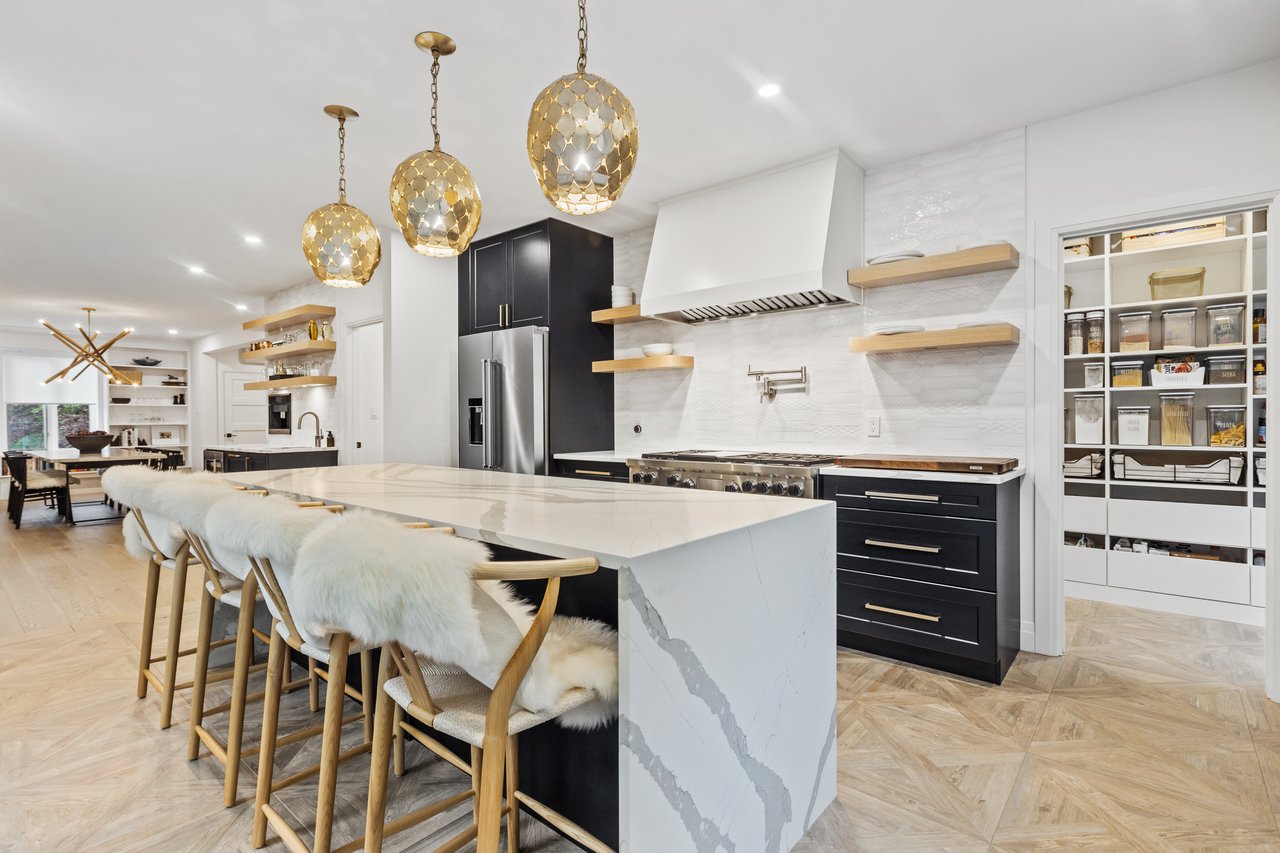
You should not expect one single home style near the Village. Del Mar says the community includes classic, eclectic, and contemporary homes, and design review focuses on quality materials, site sensitivity, scenic views, and privacy impacts.
For you as a buyer, that means beach-close options may include older cottages, updated condos, and custom homes. The common thread is less about style and more about how a property fits its site and surroundings.
Hillside and Bluff Living in Del Mar
Views and Privacy Often Lead the Appeal
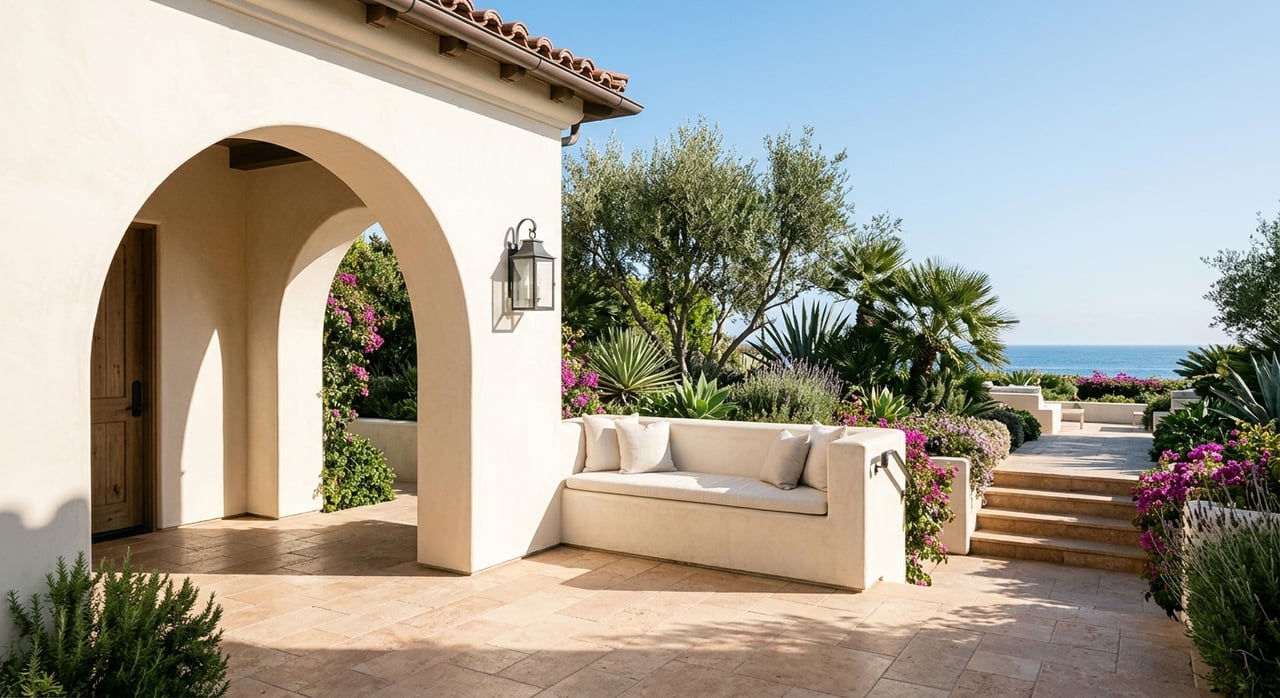
If your ideal home feels more removed from the beach crowds, hillside living may stand out. Del Mar’s upper areas are shaped by terrain, views, and site-sensitive design, which often creates a more residential and tucked-away atmosphere.
The appeal here is usually not instant walkability. Instead, it is the combination of privacy, separation from beach traffic, and the possibility of stronger view orientation depending on the property.
Design Rules Matter More on Sloped Sites
In Del Mar, bluff, slope, and canyon properties are treated differently under city rules. The Bluff, Slope, and Canyon Overlay Zone is intended to protect scenic bluffs, canyons, and steep slopes, and the city’s housing element notes that this zone has the lowest maximum height limit in Del Mar at 14 feet.
The city’s hillside design guidelines add more context. Homes are encouraged to be tucked into hillsides, terraced where possible, and designed with split-level or multi-level forms, while crest or ridgeline siting is discouraged when it could affect views.
The Home May Work With the Land
For buyers, this usually means a hillside property may feel more custom to its lot. Instead of flattening the site, the home often works with the slope.
That can create interesting floor plans, layered outdoor spaces, and strong visual connections to the landscape. It can also mean design limitations that are different from what you might expect on a flatter beach-close lot.
You Will Likely Drive More Often
The tradeoff for that privacy and siting is that daily life is usually less spontaneous on foot. Compared with the Village, hillside homes are generally more car-dependent for trips to the beach, restaurants, and downtown services.
If you enjoy a quieter home base and do not mind driving for most outings, that may feel like a fair exchange. If you want to walk to most of your routine stops, the Village is likely the better match.
How Pricing Reflects the Tradeoff
Del Mar is a small market with limited inventory, so prices can move around based on a relatively small number of sales. Over the three months ending May 2026, the citywide median sale price was about $4.3 million, with homes selling in about 26 days on average.
That figure is best read as a broad market signal, not a neighborhood-by-neighborhood rule. In a city like Del Mar, a few high-end coastal sales can shift the median quickly.
Recent sale examples show how wide the spread can be. Reported sales include properties at $3.05 million, $3.95 million, $5.7 million, and $10.995 million.
For buyers comparing Village and hillside options, the practical takeaway is this: beach-village convenience is scarce and often commands a premium, while hillside homes may offer more privacy and view potential for the money, but with different access and design constraints. In Del Mar, proximity to the coast, lot setting, property type, and view orientation can matter as much as square footage.
Questions to Ask Before You Choose
How Walkable Do You Want Life to Be?
If your goal is to walk to restaurants, shops, and the beach on a regular basis, focus on the Village. Del Mar’s planning documents clearly support that pedestrian-first setup.
If walkability matters less than privacy or a tucked-away setting, a hillside property may better fit your priorities. This is often the clearest dividing line between the two lifestyles.
How Much Activity Feels Comfortable?
Some buyers love being in the middle of the action. Others want Del Mar’s coastal setting without the seasonal pace that comes with visitors, events, and beach traffic.
The Village tends to feel more active and visitor-driven. Hillside areas generally feel calmer and more residential in everyday use.
How Important Are Views and Site Setting?
If view potential and a home that feels elevated or more private matter most, hillside and bluff-adjacent areas deserve a close look. Del Mar’s design rules are strongly tied to protecting scenic conditions and working carefully with topography.
If your top priority is immediate access instead of a more tailored site setting, the Village may deliver more of what you want. Neither option is automatically better. They simply reward different priorities.
Are You Comfortable With Coastal Planning Issues?
For beach-close and bluff-edge properties, it is smart to understand the city’s coastal resilience planning. Del Mar states that it is actively planning for sea-level rise, with priorities that include beach nourishment and management, river channel dredging, and flood management.
That context is especially relevant near the shoreline and bluff edges, where long-term coastal conditions, maintenance, and access may be part of the ownership conversation. It does not eliminate demand for these homes, but it should be part of a careful buying decision.
Which Del Mar Lifestyle Fits You Best?
Choose the Village if you want to be close to the beach, enjoy a more walkable routine, and like having shops and restaurants nearby. This option often appeals to buyers who value convenience, energy, and a strong connection to daily coastal life.
Choose a hillside or bluff-area home if you prefer a more private setting, want stronger view potential, and do not mind driving more often. This option often appeals to buyers who want a calmer residential rhythm and a home that feels more connected to the landform.
In a market as nuanced as Del Mar, the right fit often comes down to how you want your mornings, evenings, and weekends to feel. If you want help weighing walkability, view potential, site constraints, and pricing in specific parts of Del Mar, Tanya Williams can help you compare your options with clear, local guidance.
FAQs
What is the main difference between Del Mar Village and hillside living?
- The Village is more walkable and close to shops, restaurants, and the beach, while hillside areas are generally more private, more view-oriented, and more car-dependent.
Is Del Mar Village easy to walk around without a car?
- Yes. Del Mar’s Village planning emphasizes pedestrian mobility, and the city says people can move through the heart of the Village without needing a car.
What are parking conditions like near the beach in Del Mar?
- Parking is actively managed in downtown and beach areas, with time limits and meters, and the city says spaces can fill by noon on busy summer days.
Do hillside homes in Del Mar have special building rules?
- Yes. Bluff, slope, and canyon properties are subject to site-sensitive rules, including lower height limits in the overlay zone and design guidelines that encourage terraced, hillside-compatible forms.
Are beach-close homes in Del Mar affected by coastal planning issues?
- They can be. The city is actively planning for sea-level rise, beach management, dredging, and flood management, which is especially relevant for shoreline and bluff-edge properties.
Is Del Mar a large housing market with many choices?
- No. Del Mar is a compact city with limited inventory, so available homes can vary widely in price, setting, and lifestyle benefits.